
Dental Implant Training Courses and Continuing Education (CE)
Acquire an in-depth knowledge of dental implants to kickstart or advance your Implantology career today! With a legacy dating back to 1984 by our founder Carl Misch, our institute has been a pioneer in the dental implant community, ensuring you access to a wealth of experience and expertise.
10,000+ Alumni
|
40+ Years
|
200,000+ CE Credit Hours
|
200+ Hands-On Labs
|
10,000+ Alumni | 40+ Years | 200,000+ CE Credit Hours | 200+ Hands-On Labs |
Upcoming Surgical Courses
-
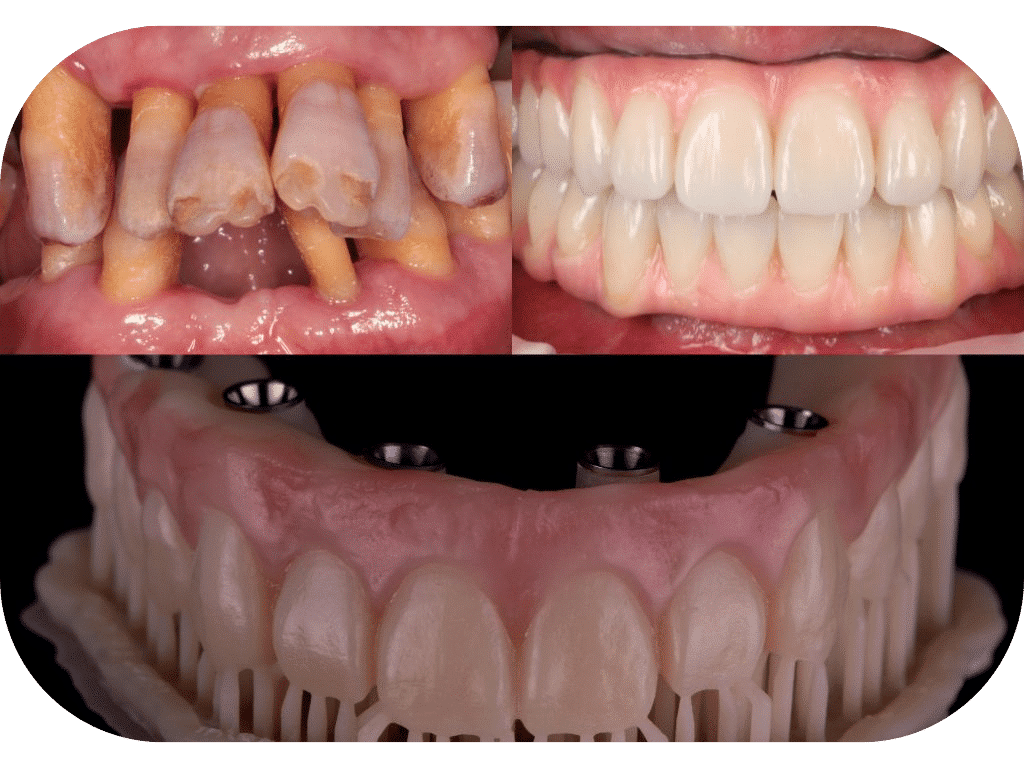
Full Arch | $3995
Ann Arbor, MI : TBD, 2026
Digital Planning
Guided Surgery
Immediate loading
Tissue management
Photogrammetry
-
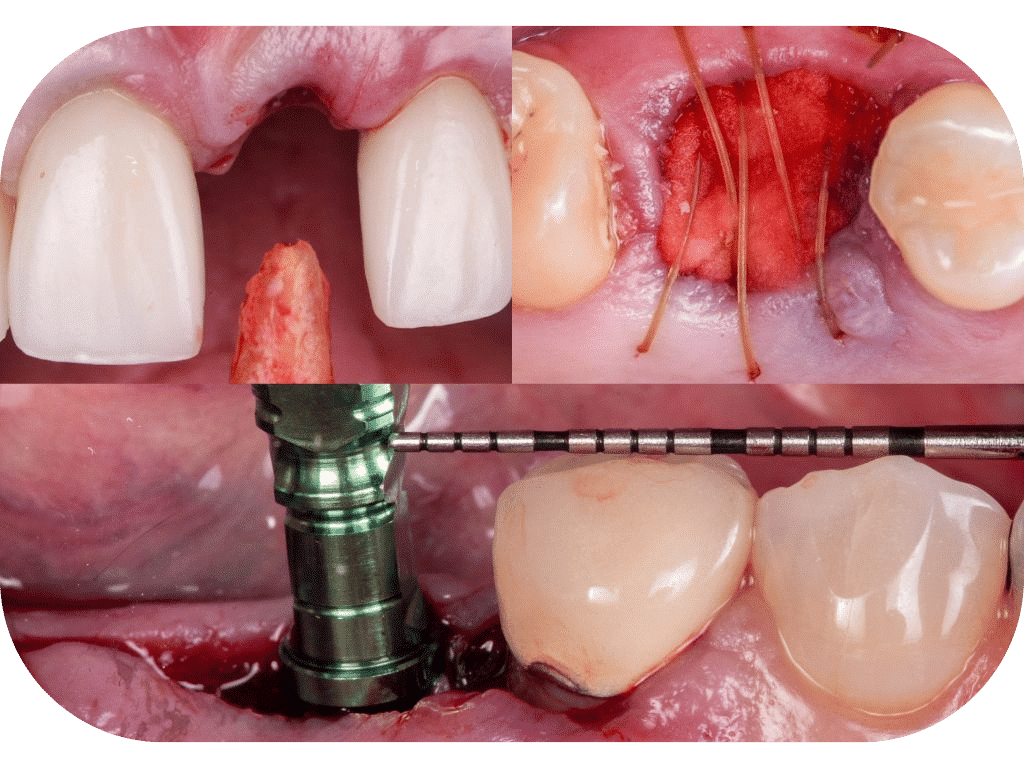
Single Implant Fundamentals | $3995
Miami, FL : March 14-15, 2026
Dallas, TX: Sep 19-20, 2026
Rationale for implants
Atraumatic extractions
Socket preservation
Single implant placement
CBCT and anatomy evaluation
-
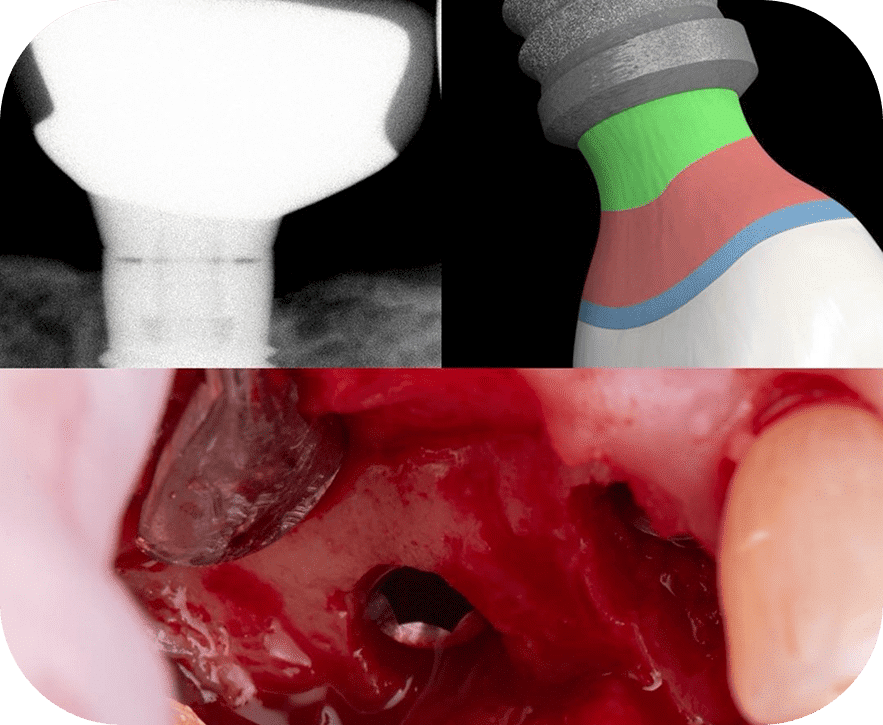
Implant Prosthetics and Multi-Implant Placement | $3995
Miami, FL : June 13-14, 2026
Dallas, TX: Nov 14-15, 2026
Restorative techniques for implants
Prosthetic remediations for surgical errors
Multiple implant placement
Free hand and guided implant placement
-
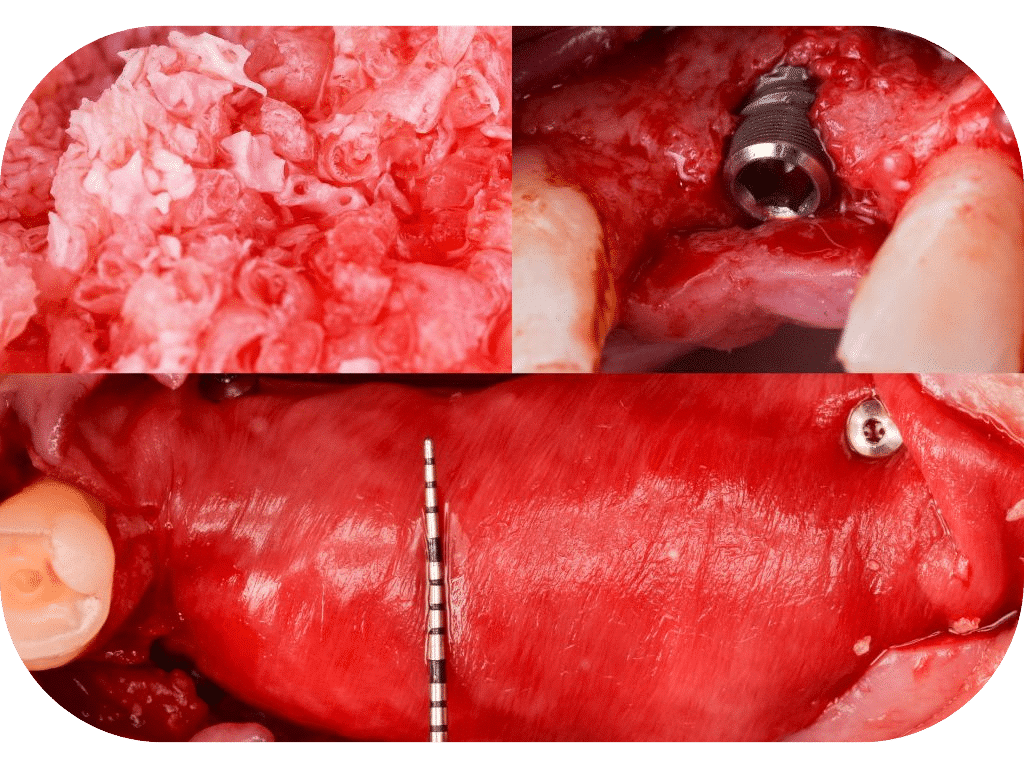
Implants with GBR & Sinus | $3995
Miami, FL : July 25-26, 2026
Dallas, TX: Dec 12-13, 2026
Fundamentals of bone regeneration
Various GBR techniques
Transcrestal sinus techniques
Lateral sinus technique
Short implants vs Sinus Augmentation
-
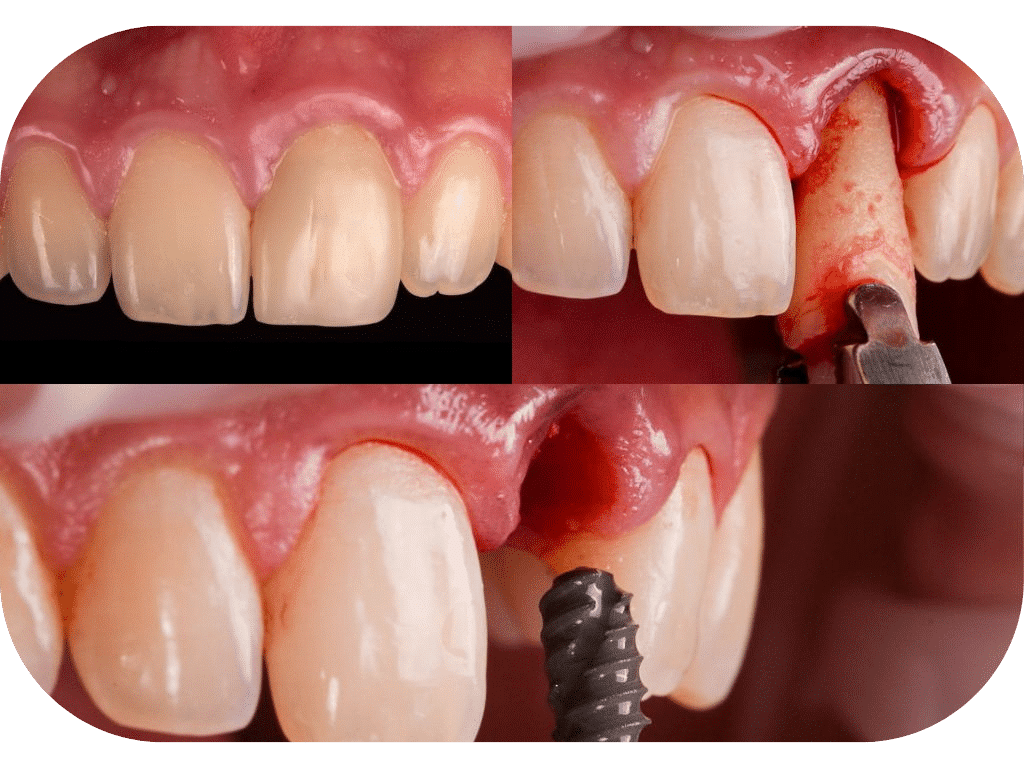
Immediate Implants | $3995
Miami, FL : April 4-5, 2026
Indications and socket evaluation
Esthetic zone considerations
When to graft with immediates
Immediate provisionalization
Peri-implant soft tissue development
-
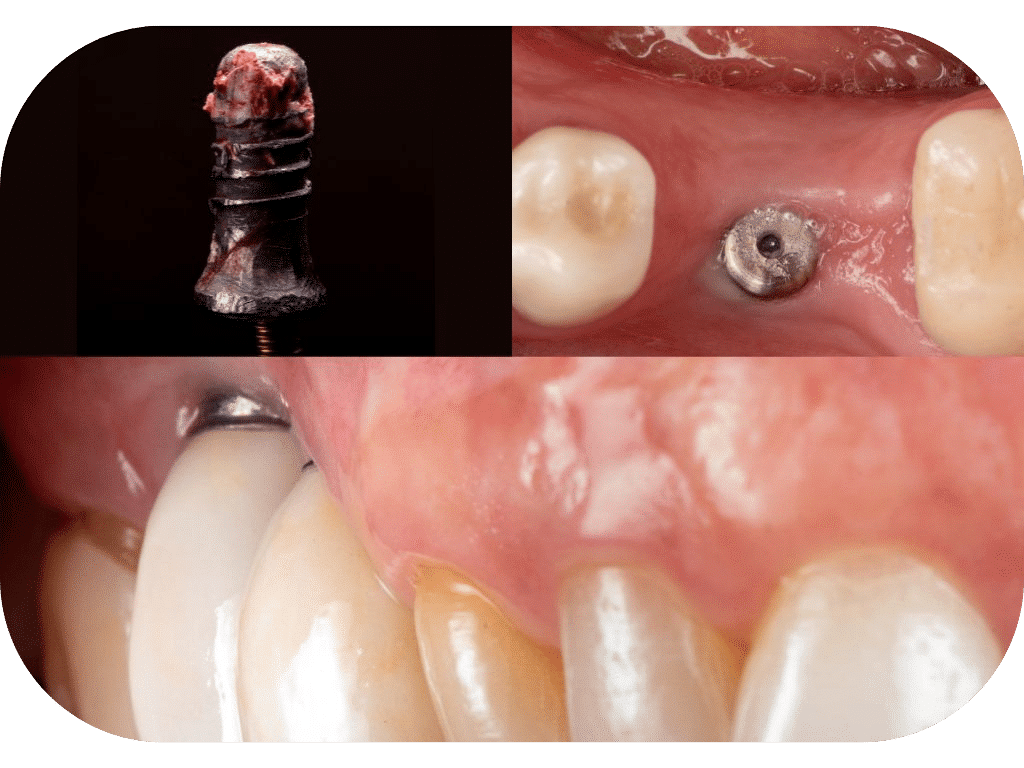
Navigating Complications | $3995
Miami, FL : August 29-30, 2026
Peri-implantitis
Intra-operative complications
Soft tissue complications
Marginal bone loss
Esthetic complications
-
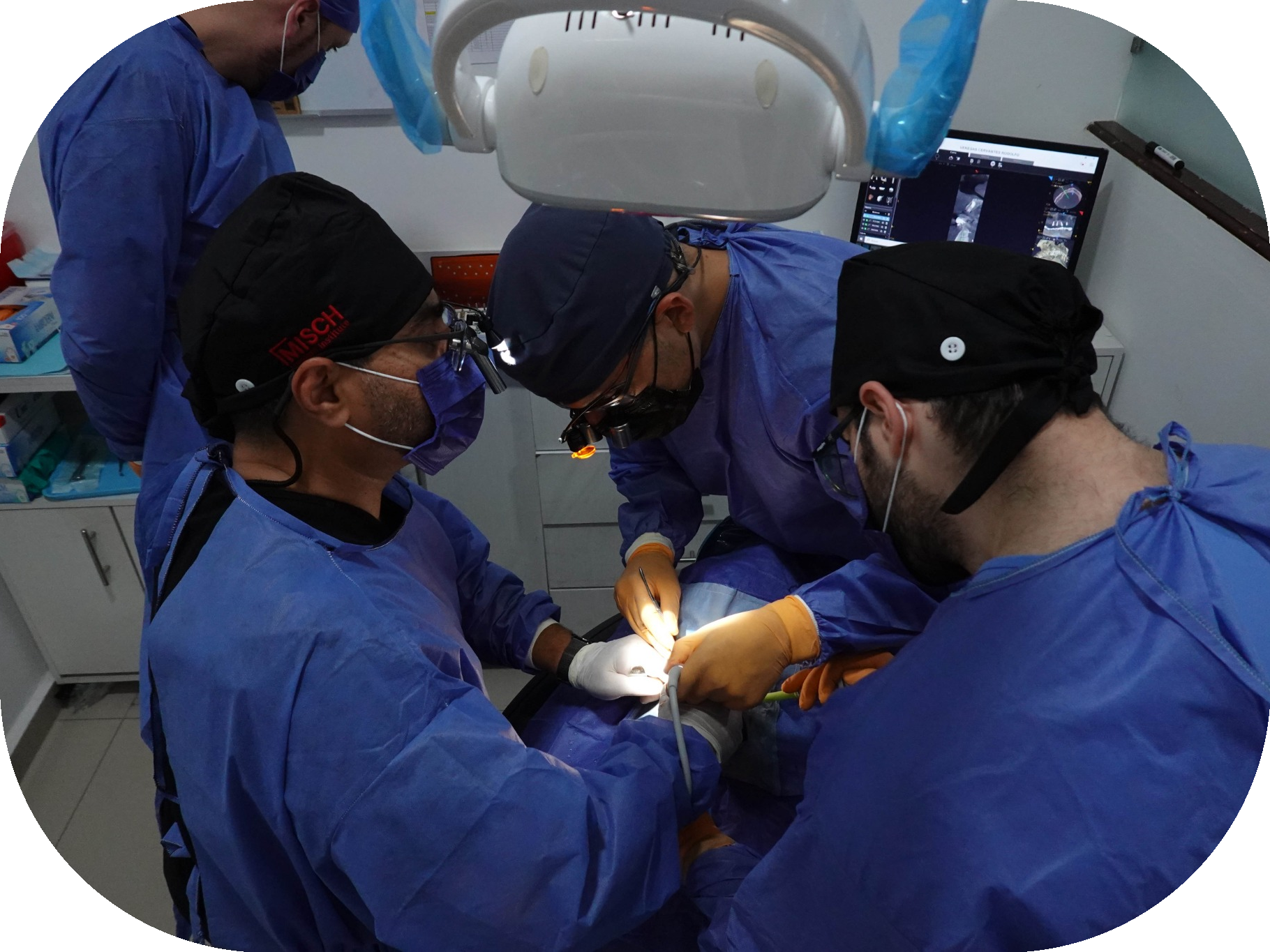
Live Surgery
Mexico City, Mexico : June 13-14
2 days live surgery
2:1 student to instructor ratio
Accommodation, dining, and transport included
Pick your procedures
-
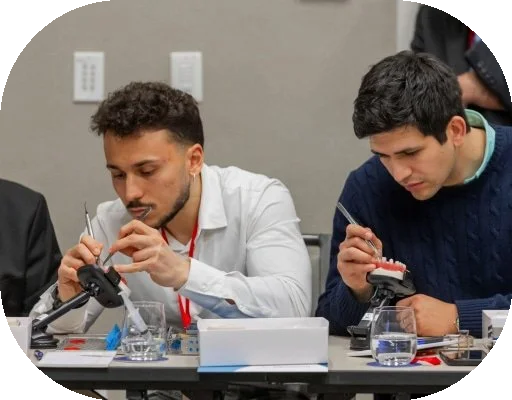
5-Session Implant Continuum
Includes Courses:
Single Implant Fundamentals
Implant Prosthetics and Muli-Implant Placement
Implants with GBR & Sinus
Immediate Implants
Navigating Complication
The 5-Session Implant Continuum
Save $2,500 when you enroll in the full continuum.
- ✔ Single Implant Fundamentals
- ✔ Implant Prosthetics & Multi-Implant Placement
- ✔ Implants with GBR & Sinus Techniques
- ✔ Immediate Implants
- ✔ Navigating Complications
Tuition Includes:
Complimentary mentorship throughout the continuum
$2,000 Misch Surgical Instrument Kit from Power Dental
Misch FELLOWSHIP Certificate
Automatically Qualify to become an ICOI fellow (International Congress of Oral Implantologists)
Full Arch and Live Surgery courses are offered separately and are not part of the 5-Session Continuum.
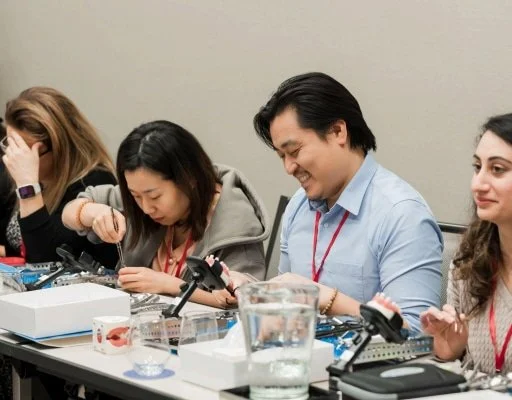
5-Session Implant Continuum
$20,000 $17,500
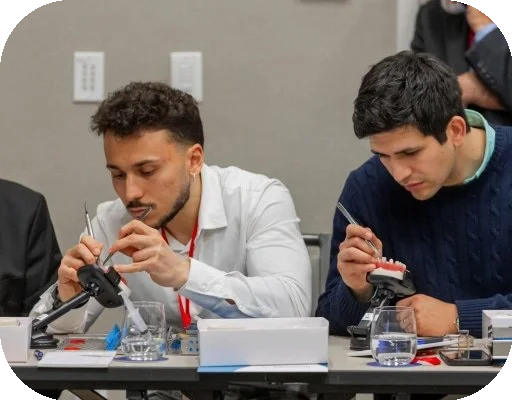
Purchase all 5 Courses for a $2500 discount
Receive 1 year complimentary access to the membership program
*Special pricing for Misch Graduates, ICOI members, New Graduates, and Residents. Call or Email beth@misch.com for more information.
Introducing the Misch Educators
We promise you won’t find educators like ours anywhere else.
-
![]()
Dr. Muhammad Saleh
BDS, MSD
-
![]()
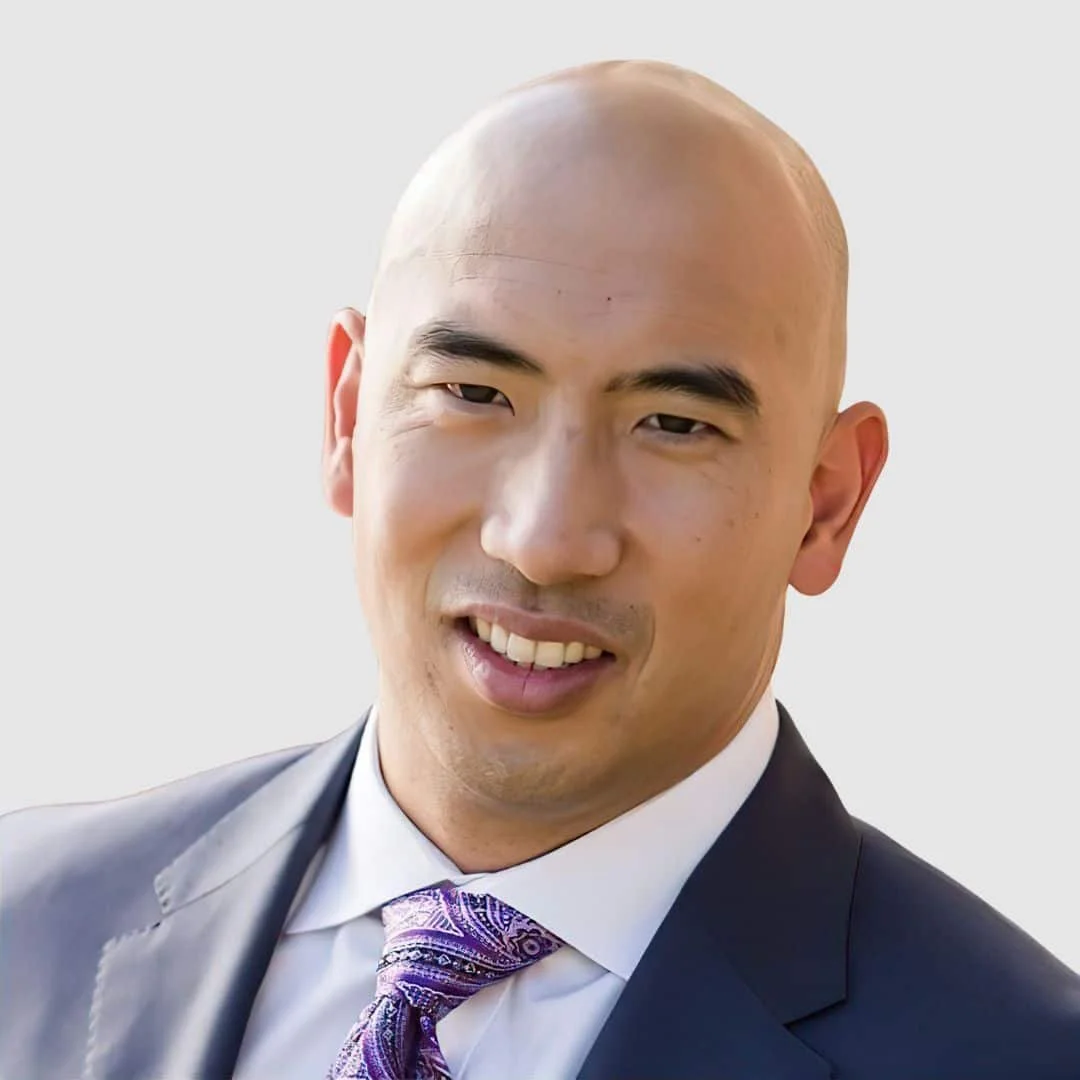
Dr. David Wong
DDS, PDM
-
![]()
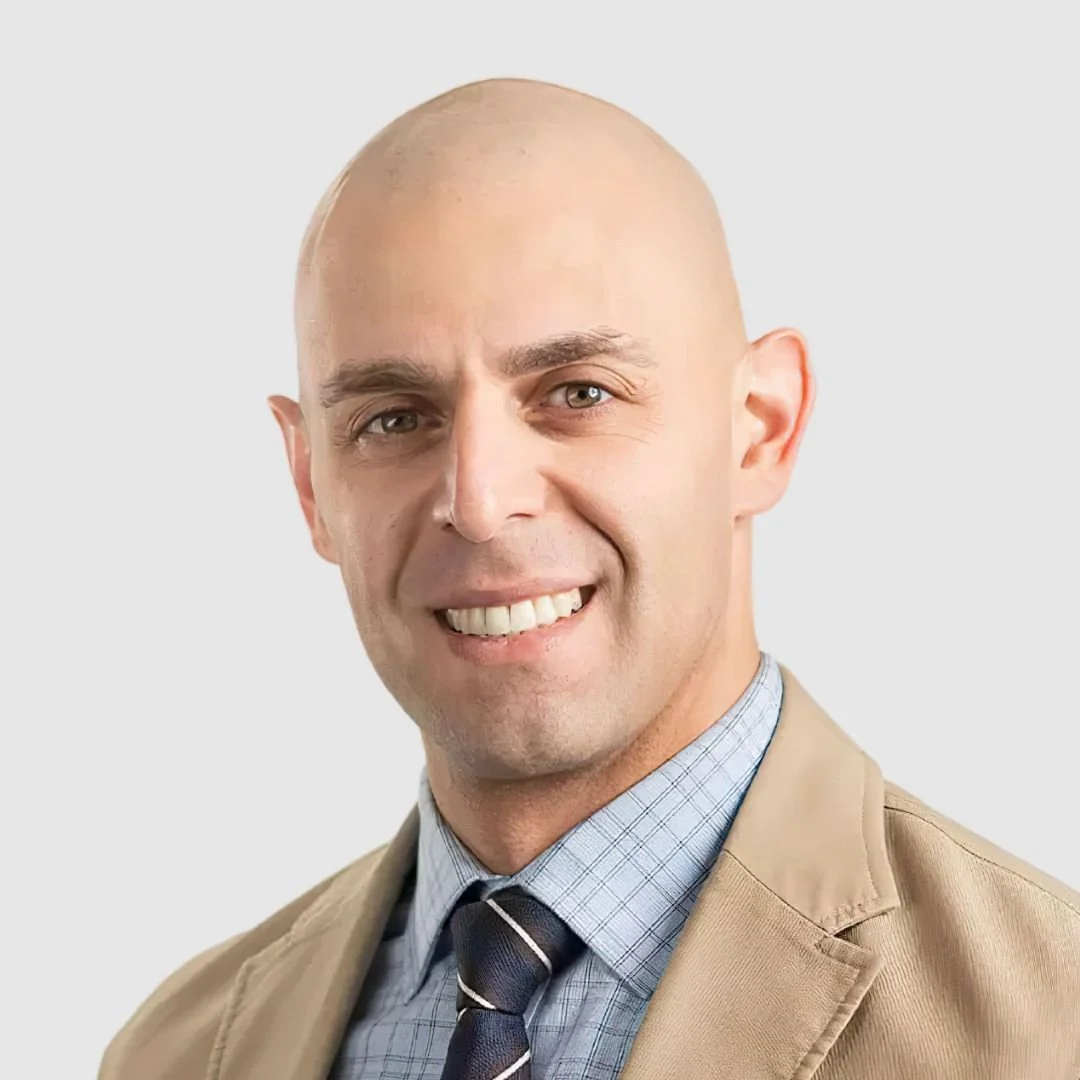
Dr. Fadi Hasan
DDS, MSD
-
![]()
Dr. Robert Levine
DDS, FCPP, FISPPS
-
![]()
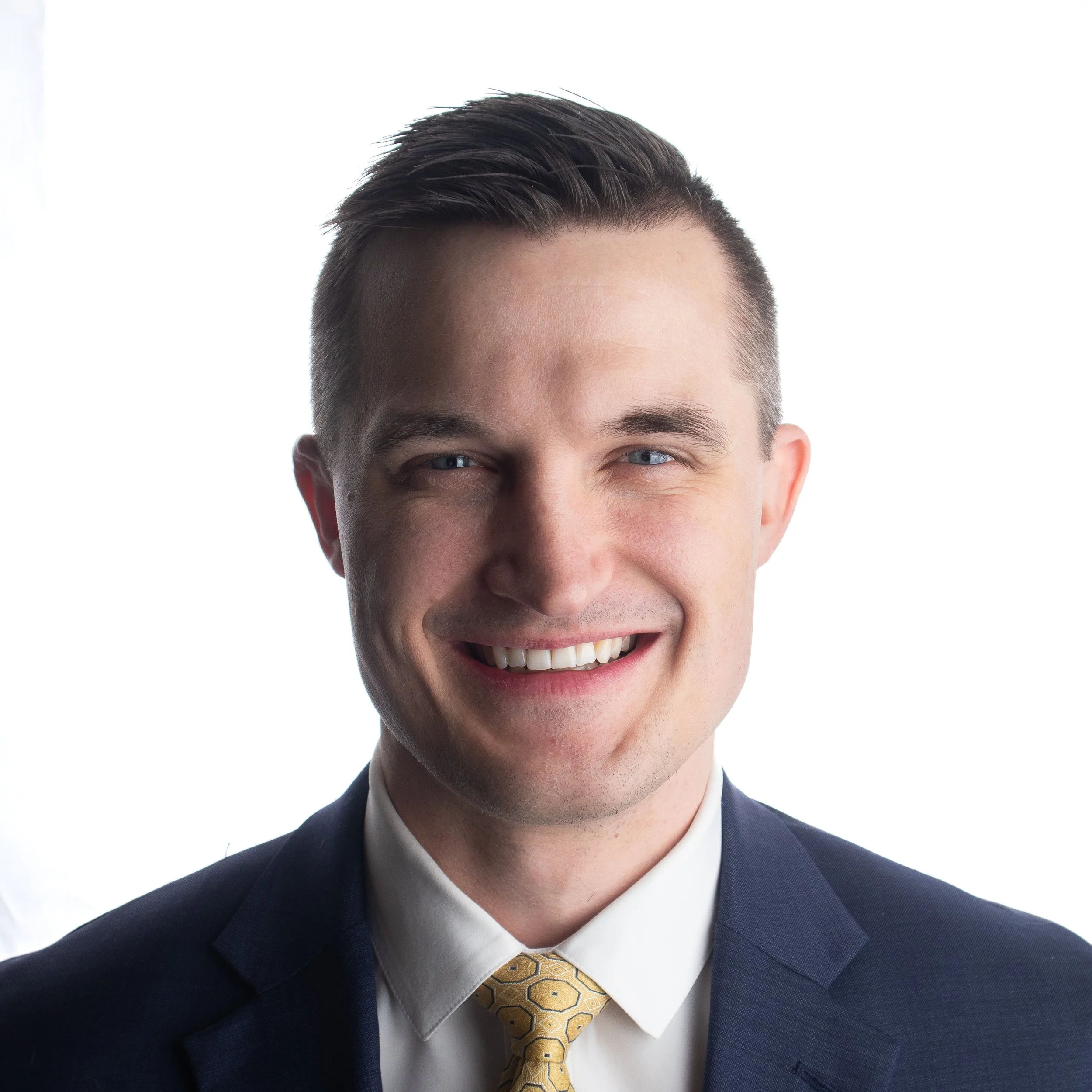
Dr. Jonathan Misch
DDS, MS
-
![]()
Dr. Mauricio Araújo
DDS, MSc, PhD
Our Services
Didactic Courses
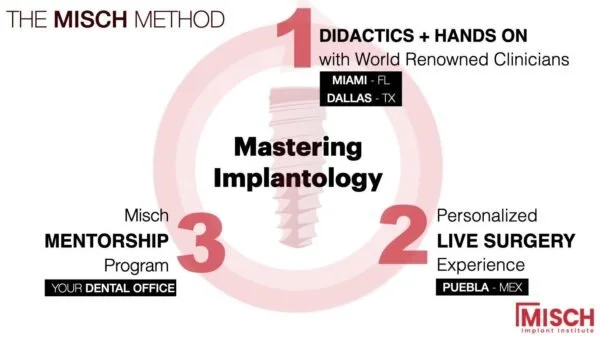
Our 5 course mini residency program in implantology was designed by experts from the top universities across the world, ensuring that you are able to learn from the best to become your best.
Start with Implant Fundamentals and take the rest sequentially to get the very most out of our program from the basics to more complex topics: or tailor your own experience by selecting just the sessions you want to take, in the order you want to take them in.
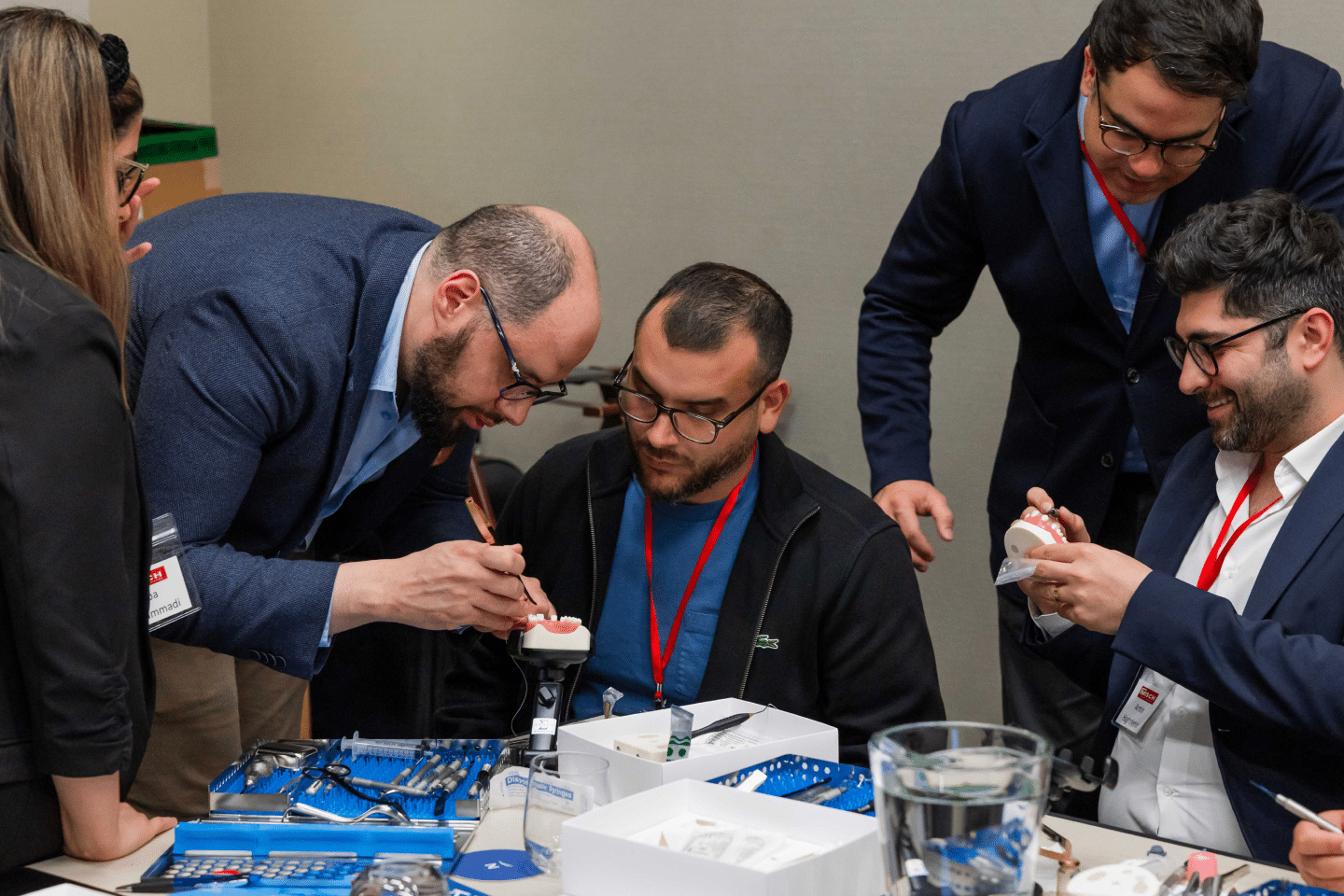
Put theory to practice. Use realistic models during our hands-on training courses to prepare you for your next step.
Personalized Live Surgery Experience
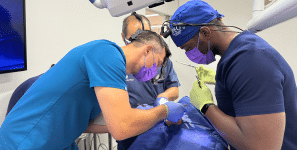
You are the surgeon, it’s time to place implants!
Before your live surgery course, one of our educators will reach out to make sure that you get a personalized experience.
Let us know beforehand where you are at in your implant journey, and we will help create a clinical plan tailored to your wants and needs to maximize your time with us.
Misch Mentorship
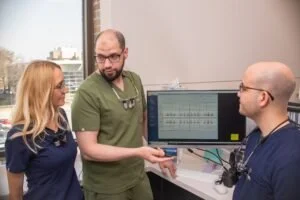
Here at the Misch Implant Institute, we are committed to your success; we won’t just leave you high and dry.
This is why we offer weekly one-on-one Zoom sessions with our Misch faculty where you can take the time to plan your individual cases, troubleshoot any complication that may arise, and ask any questions you may have. We’ll hold your hand through it all.
Trusted By

Contact us today!
Wondering How it Works?
Fill out this form and we will get back to you and explain all the details.